 zhengfan@ucanrobot.com
 Click to WhatsApp (Michael Zheng)

Grinding best micro-drills in Ucan Robot also means doing it in DTECH, Ucan Robot’s parent company from China.
I think almost all the people from the PCB industry know DTECH (鼎泰高科)’s micro-drills that are also called PCB drill bits. Top quality, the largest market share so far (April 2026). All these are supported by a long-term technique study and development. It’s a typical China story that is totally involved in long-term hard work in high-precision machining supported by cutting-edge equipment and powerful engineers.
Anyway, in this article, all content will be about high precision grinding for the best micro-drills in Ucan Robot.
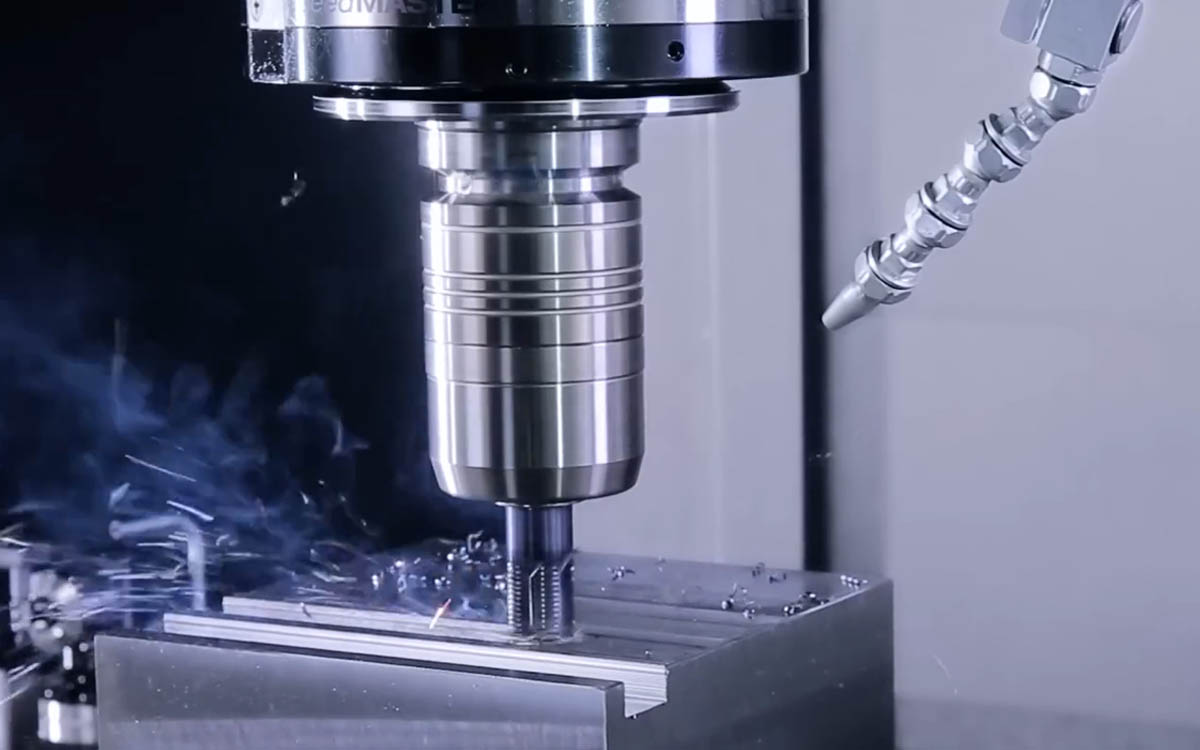
As PCBs (Printed Circuit Boards) evolve towards higher density and miniaturization, the precision requirements for drill bits have reached the micron level. Traditional lathe machining can no longer meet these demands; consequently, modern PCB micro-drill production has shifted entirely to high-precision, fully automated CNC grinding machines.
Why is grinding essential?
Extreme Material Hardness
The cutting portion of PCB drill bits is typically made of ultra-fine grain cemented carbide (tungsten carbide). This material possesses extremely high hardness (HRA 90-92) and strong wear resistance. It cannot be machined using traditional cutting tools and can only be formed through precision grinding with grinding wheels.
Highly Complex Structure
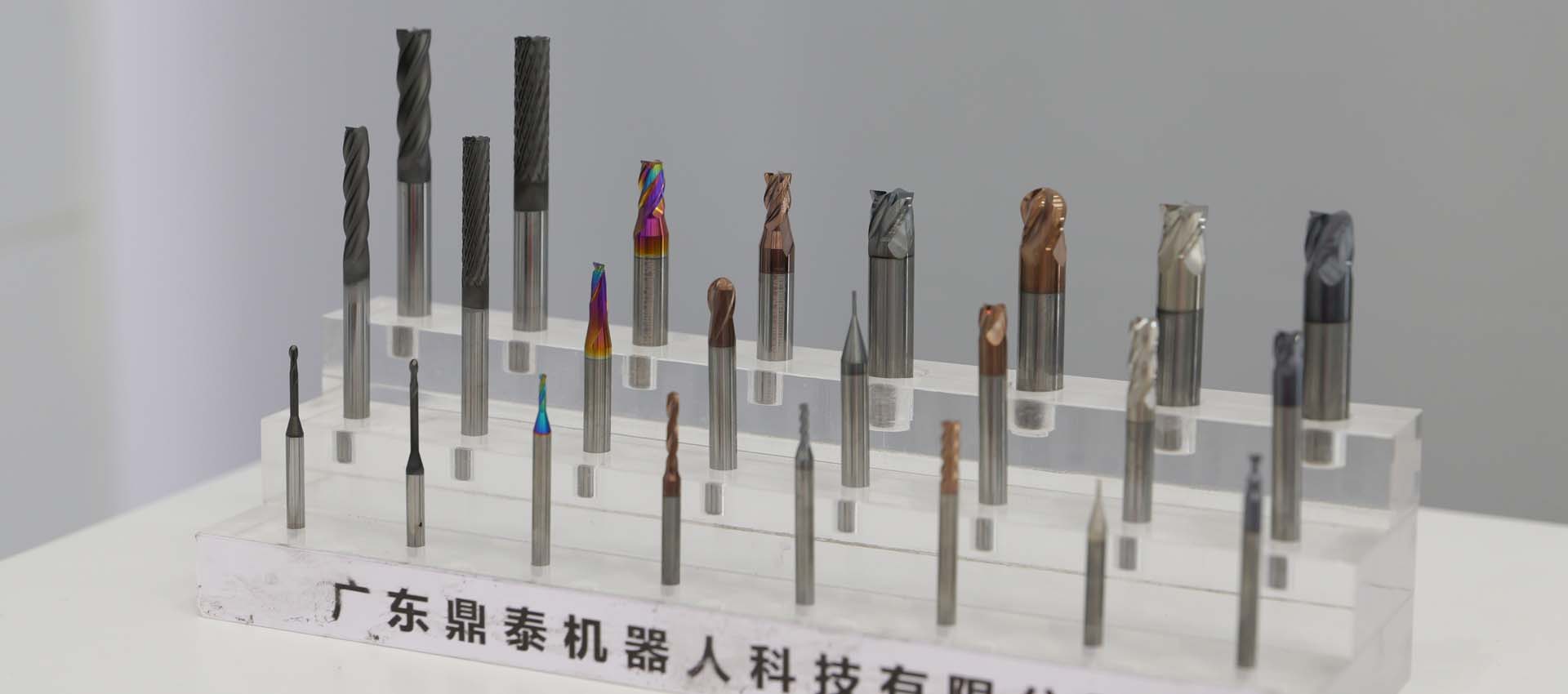
A seemingly simple micro-drill actually features a complex geometric structure at its tip, integrating the main cutting edge, chip flutes, clearance angles, and margins. In particular, the spiral flutes for high-speed drilling and special coatings require precision CNC grinding machines with multi-axis linkage to complete the grinding in a single step or multiple stages.
Precision and Efficiency Requirements
Modern fully automated micro-drill grinding machines integrate functions such as high-precision clamping, multi-axis linkage grinding, and visual inspection, enabling automated production from rod material to finished product. This not only ensures extremely high precision consistency but also significantly improves production efficiency, with yield rates exceeding 99%.

Special Requirements for Precision
The precision of PCB drill bits directly determines the quality of drilling and the reliability of subsequent component soldering. The requirements are extremely stringent, mainly reflected in the following aspects:
Dimensional Accuracy
Diameter Tolerance: This is the most core metric. For micro-drills with a diameter below 0.2mm, the diameter tolerance must be controlled within ±5 microns (μm). For example, a drill bit nominally sized at 0.1mm must have an actual diameter between 0.095mm and 0.105mm.
Limit Dimensions: Currently, the thinnest mass-produced drill bits can reach 0.03mm (approximately one-third the thickness of a human hair), while industry-leading enterprises are striving to develop 0.01mm drill bits.
Geometric Accuracy
Concentricity / Runout: The radial runout of the drill bit during high-speed rotation must be minimal, typically requiring ≤0.01mm. Excessive runout can lead to skewed holes, enlarged apertures, or even needle breakage.
Straightness: The drill bit must remain perfectly straight overall; any minute curvature will be amplified during high-speed drilling, affecting hole position accuracy.
Surface Quality
Surface Roughness: The cutting edge and chip flute surfaces of the drill bit need to achieve mirror-like smoothness. For micro-drills, the surface roughness (Ra) is typically required to be <0.05μm. An ultra-smooth surface effectively reduces friction and heat during drilling, prevents hole wall damage, and facilitates chip removal.
Performance and Lifespan
Hardness and Wear Resistance: The drill bit must possess extremely high hardness and wear resistance to ensure that after processing thousands of holes, the tip wear remains less than 0.01mm, thereby ensuring long-term stable processing.
Coating Technology: To further enhance performance, many high-end drill bits utilize CVD (Chemical Vapor Deposition) or diamond coating technologies to form a super-hard thin film on the surface, significantly extending service life.