
 zhengfan@ucanrobot.com
 Click to WhatsApp (Michael Zheng)

The processing difficulty of ultra-fine PCB drill bits (typically referring to diameters less than 0.2mm, especially below 0.1mm) is far greater than that of conventional drill bits. This is not simply a matter of “scaling down proportionally,” but rather a challenge against physical limits. In the industry, machining ultra-fine drill bits is often described as “dancing on the tip of a needle.”
UCAN ROBOT’s parent company DTECH is doing a great job on grinding ultra-fine PCB drill bits. As a group enterprise, DTECH’s child company UCAN ROBOT perfectly aligns with DTECH’s high precision machining ability. The same manufacturing system in the Dongguan headquarters and global branches.
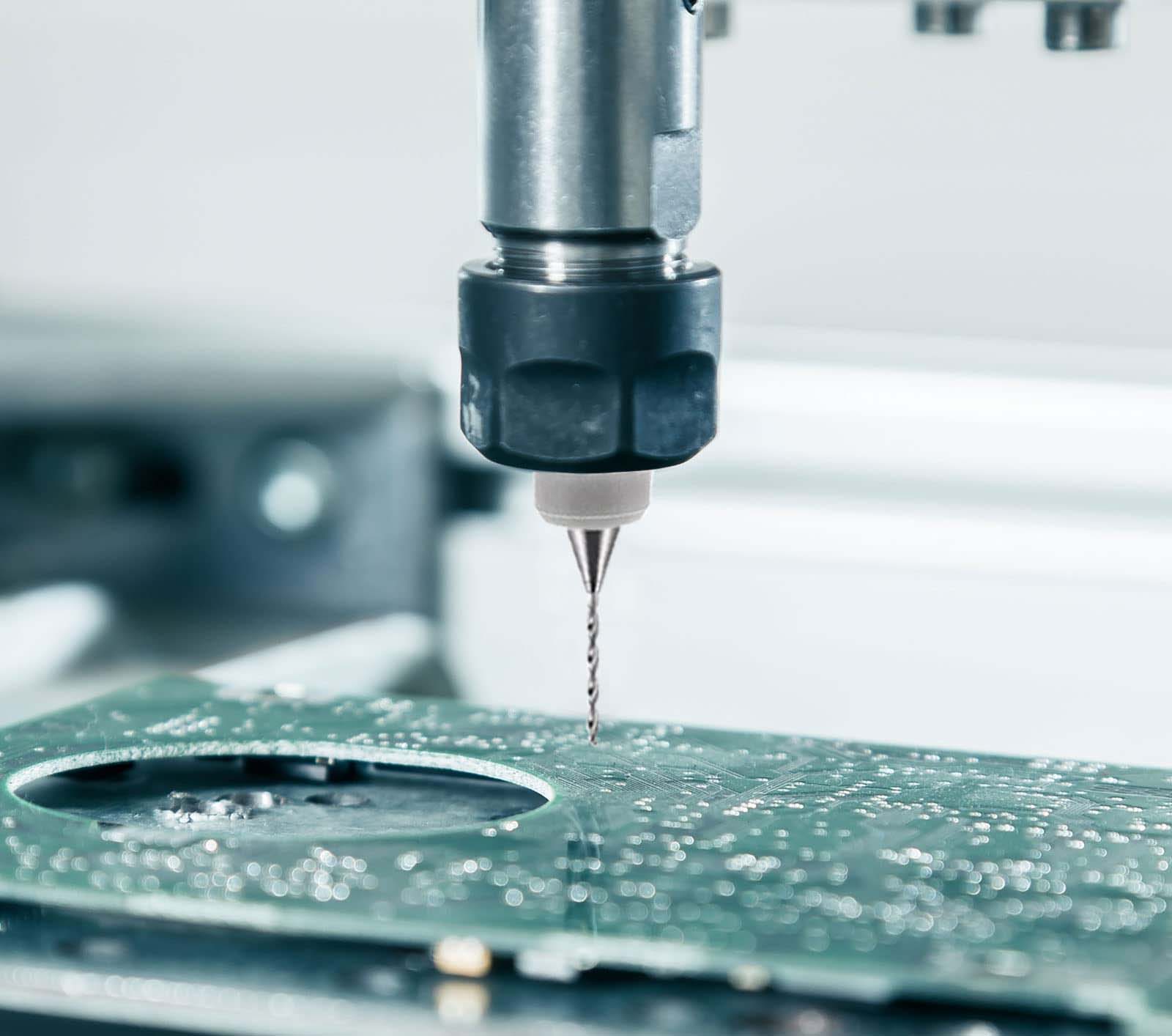
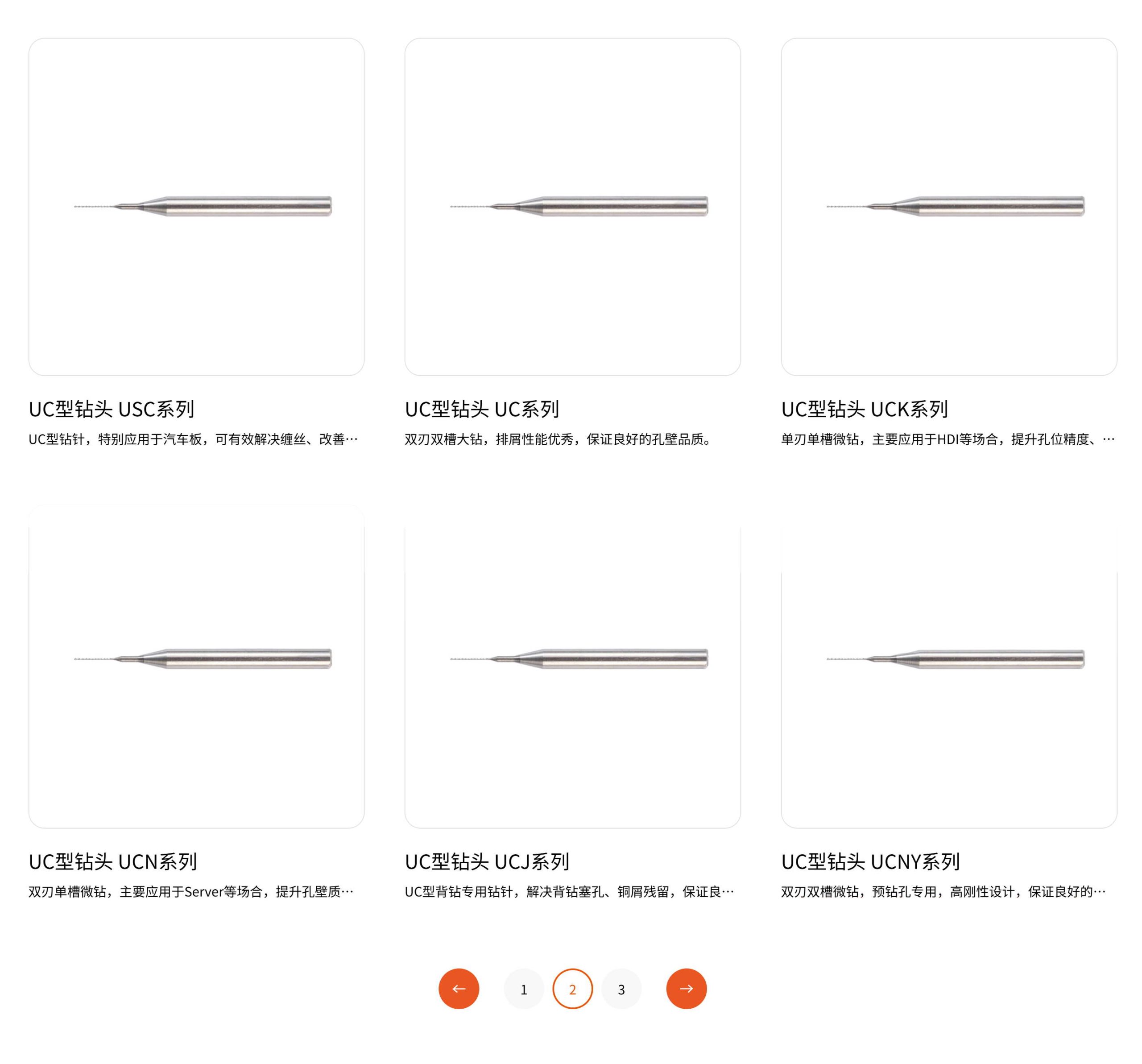
Generally speaking, the difficulty of ultra-fine PCB drill bits refer below core aspects:
Extreme “Fragility” vs. Rigidity Contradiction
When the drill bit diameter is less than 0.2mm, its bending stiffness decreases exponentially. For example, the bending deformation of a 0.1mm drill bit under lateral force is more than 8 times that of a 0.3mm drill bit.
To drill through multi-layer boards, drill bits require a certain length. The aspect ratio (length/diameter) of ultra-fine drill bits usually needs to reach 8:1 or even higher (e.g., 25:1 to 30:1). This is comparable to drilling a steel plate with a long embroidery needle, making it extremely prone to deflection (leading to inaccurate hole positions) or breakage. Data shows that when the aspect ratio exceeds 10:1, deflection increases significantly, causing hole diameter deviations to exceed standards.
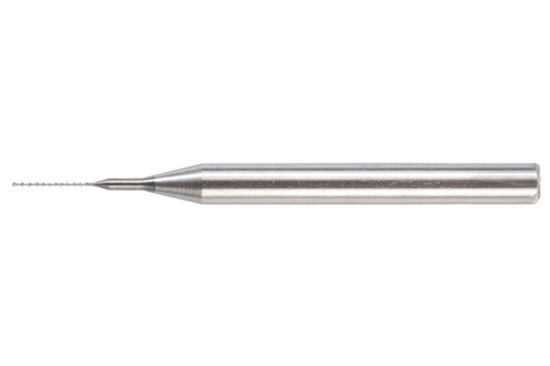
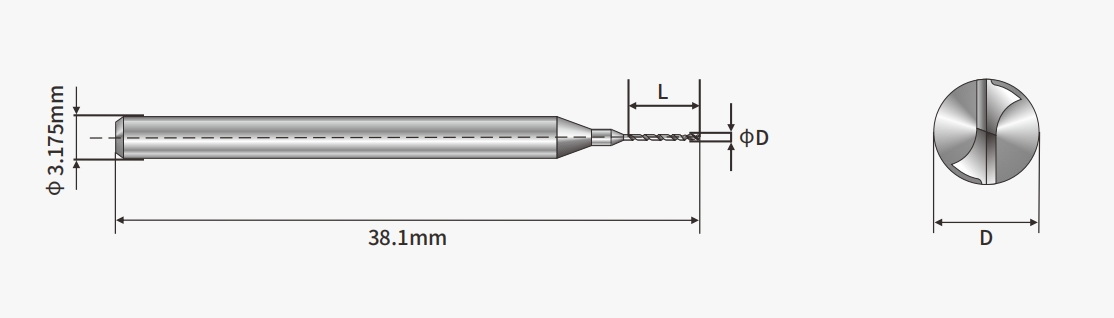
Chip Evacuation Space Crisis
As the diameter shrinks, the volume of the spiral chip flutes on the drill bit decreases sharply (the flute volume of a micro-drill may be only 1/10 of a conventional drill bit).
However, the size of the generated chips does not shrink proportionally. This leads to chips easily clogging the flutes. Data indicates that the probability of chip clogging in micro-drill machining is 5 times that of conventional drilling. Once clogged, friction and heat skyrocket, causing the drill bit to snap immediately.
Extreme Requirements for Processing Equipment
While conventional drilling may only require tens of thousands of RPM, machining micro-holes below 0.1mm typically requires spindle speeds of 150,000 rpm or even 180,000 rpm. This places extremely high demands on the equipment’s dynamic balance and precision.
The diameter tolerance of the drill bit must be controlled within ±0.002mm, and the cutting edge roughness must reach a mirror level (Ra≤0.1μm). Any minute runout (e.g., exceeding 0.005mm) will lead to breakage.
“Size Effect” of Material Properties
PCB materials usually contain fiberglass (hard and brittle) and copper foil (sticky and tough). For ultra-fine drill bits, fiberglass acts like hard stones, easily wearing down the cutting edge, while copper chips tend to adhere.
Due to extremely high contact stress, ultra-fine drill bits wear out very quickly. When processing high-hardness boards like AI servers, drill bit life can plummet from a conventional 3,000 holes to just 600 holes, causing consumption to skyrocket.
As a review, we can make a table to make a comparison: Conventional vs. Ultra-Fine PCB Drill Bits
| Dimension | Conventional Drill Bit (>0.2mm) | Ultra-Fine Drill Bit (<0.1mm) | Difficulty Difference |
|---|---|---|---|
| Rigidity | Good, not easy to bend | Extremely poor, prone to deformation | Difficulty ⭐⭐⭐⭐⭐ |
| Chip Evacuation | Sufficient space | Extremely prone to clogging, requires special flute design | Difficulty ⭐⭐⭐⭐ |
| Speed Requirement | Medium-High (30k-80k rpm) | Ultra-High (>150k rpm) | Difficulty ⭐⭐⭐⭐ |
| Breakage Risk | Low | Extremely High (accounts for nearly 50% of defects) | Difficulty ⭐⭐⭐⭐⭐ |
| Main Challenge | Efficiency and Lifespan | No Breakage and Hole Position Accuracy | – |
Therefore, enterprises capable of mass-producing drill bits below 0.1mm (or even at the 0.01mm level), such as Golden Century Precision and DTECH, typically possess high-barrier technologies, including nanometer-level material formulations, precision grinding processes (such as variable helix angle designs), and coating technologies.
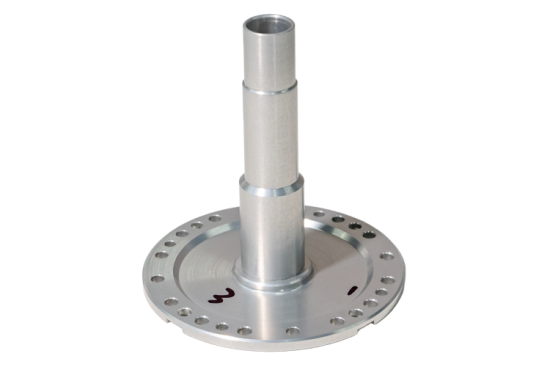
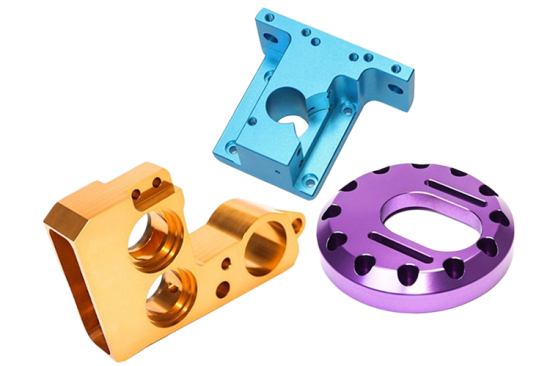
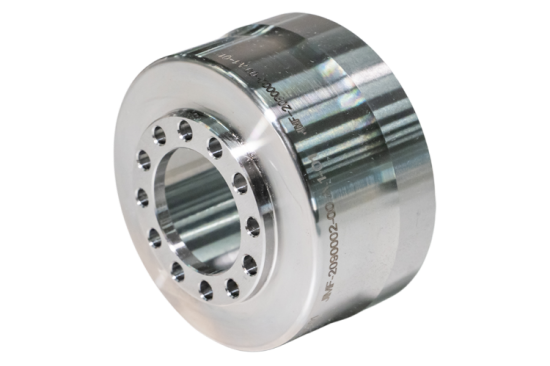
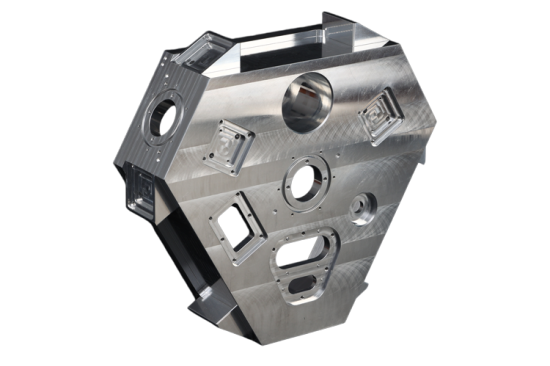
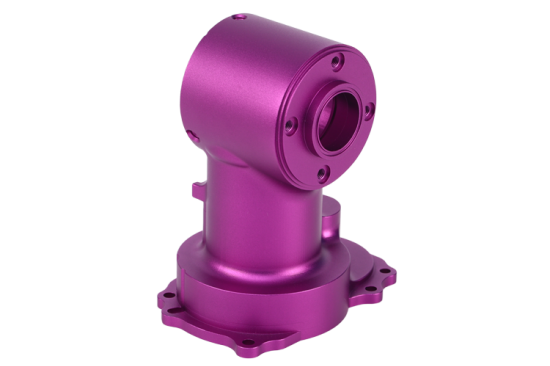
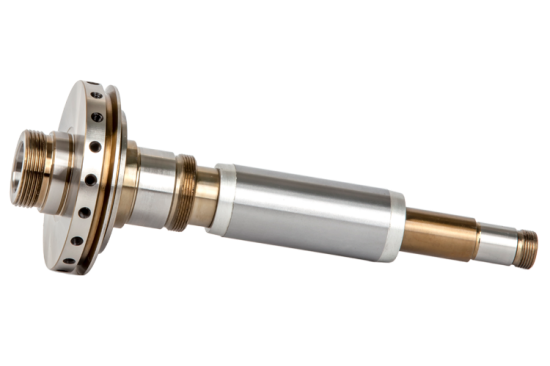
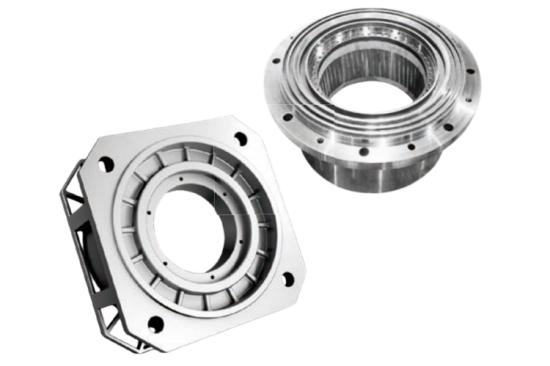
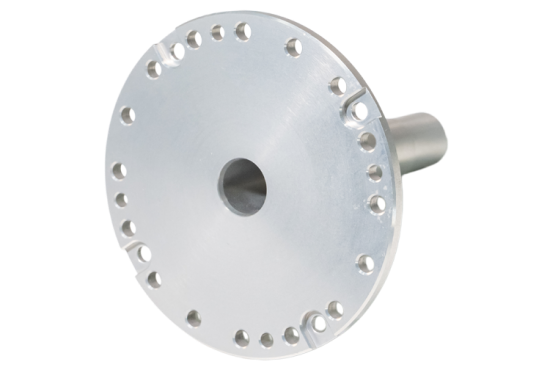
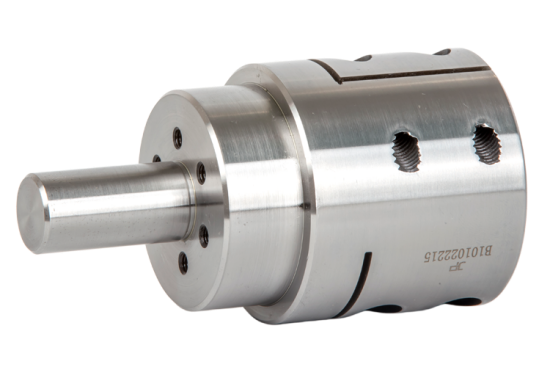
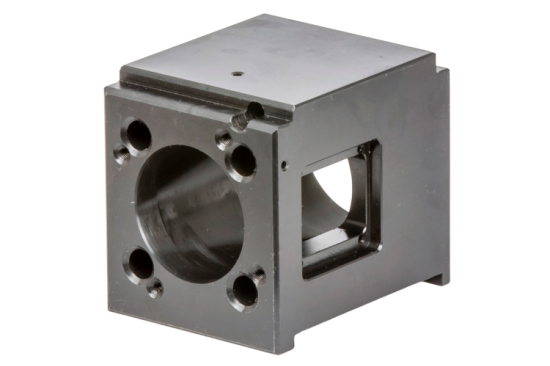
Besides producing high-precision ultra-fine PCB drill bits, UCAN ROBOT also provides stable capacity and large-scale production for machining various parts and components for different applications. A lot of great work we can contribute to partners and potential clients.
Learn more about our precision grinding.
Actually, DTECH’s own precision grinding equipments are widly used in UCAN ROBOT’s precision parts manufacturing, especially those cylindrical parts requiring precision grinding. We monthly manufacture and ship out a large number of PCB drill bits to clients all over the world (Mainly in China mainland, Taiwan and other Asian countries).