 zhengfan@ucanrobot.com
 Click to WhatsApp (Michael Zheng)

UCAN ROBOT machining high precision shaft parts with strict process and quality control
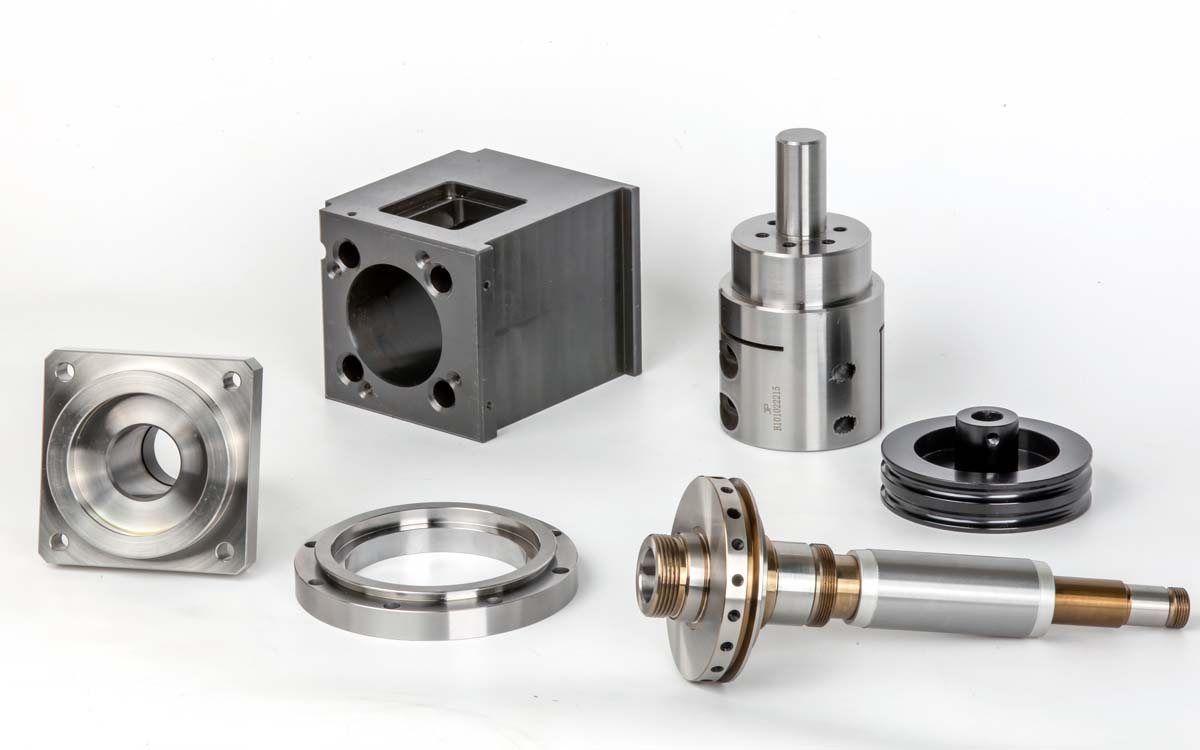
For the high-precision shaft parts and disc components, strict process and quality control are essential to achieve micron-level accuracy. Here is how we manage it with our advanced equipment.
Precision Matching and Equipment Allocation
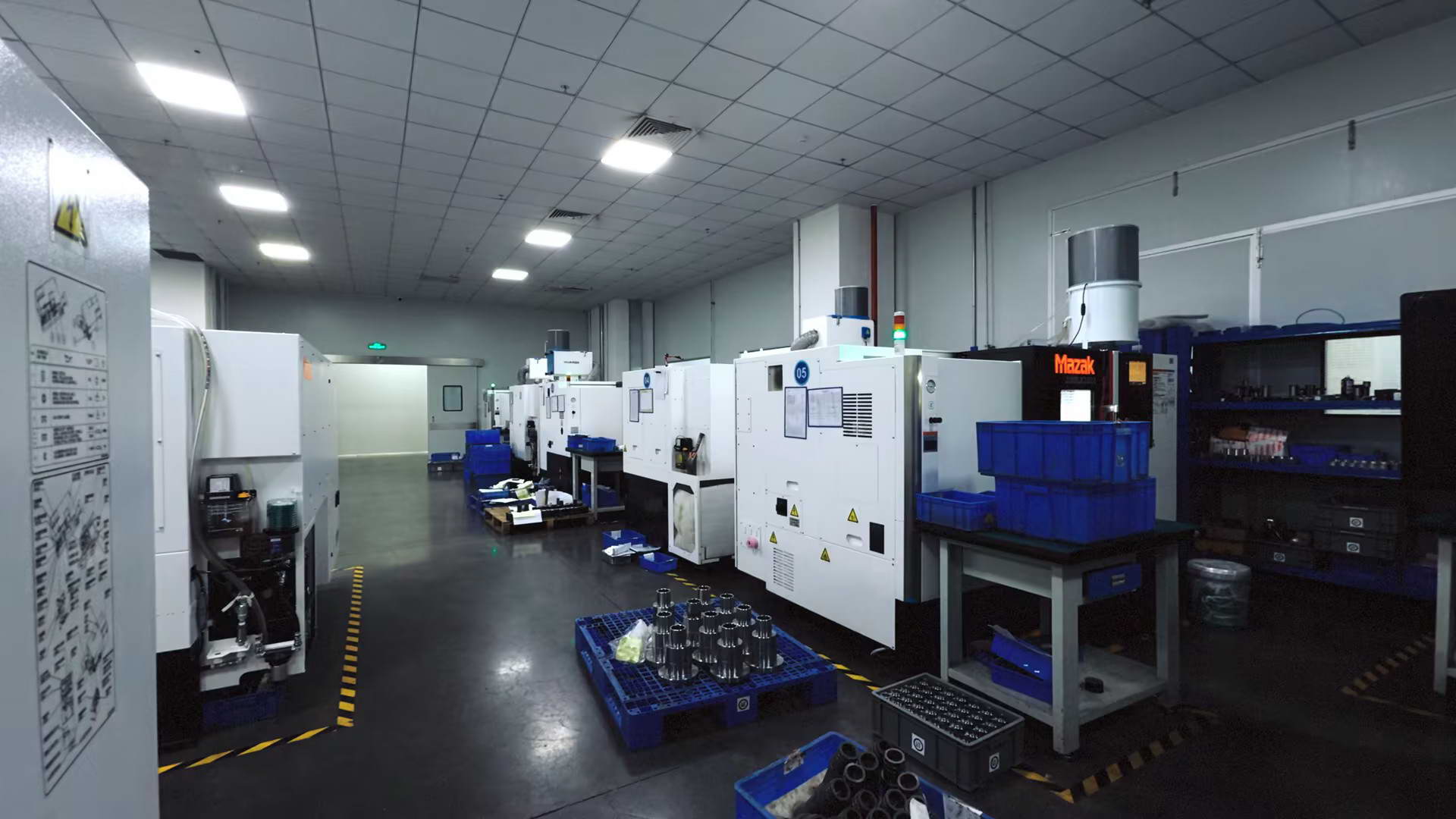
We assign specific machines to specific tasks based on their capabilities to ensure optimal precision.
DMG 5-Axis CNC Machines: Used for complex surfaces and difficult features. With a positioning accuracy of ±0.005mm, they allow for single-setup multi-surface machining, keeping form and position tolerances within 0.01mm.
Mazak CNC Lathes & Baofeng 3-Axis CNC Machines: Handle the main turning and milling tasks. The Mazak lathes maintain a runout of less than 0.003mm, achieving stable IT6 precision for critical shaft features. The Baofeng machines ensure consistent dimensions in high-volume production, with a Cpk value consistently above 1.67.
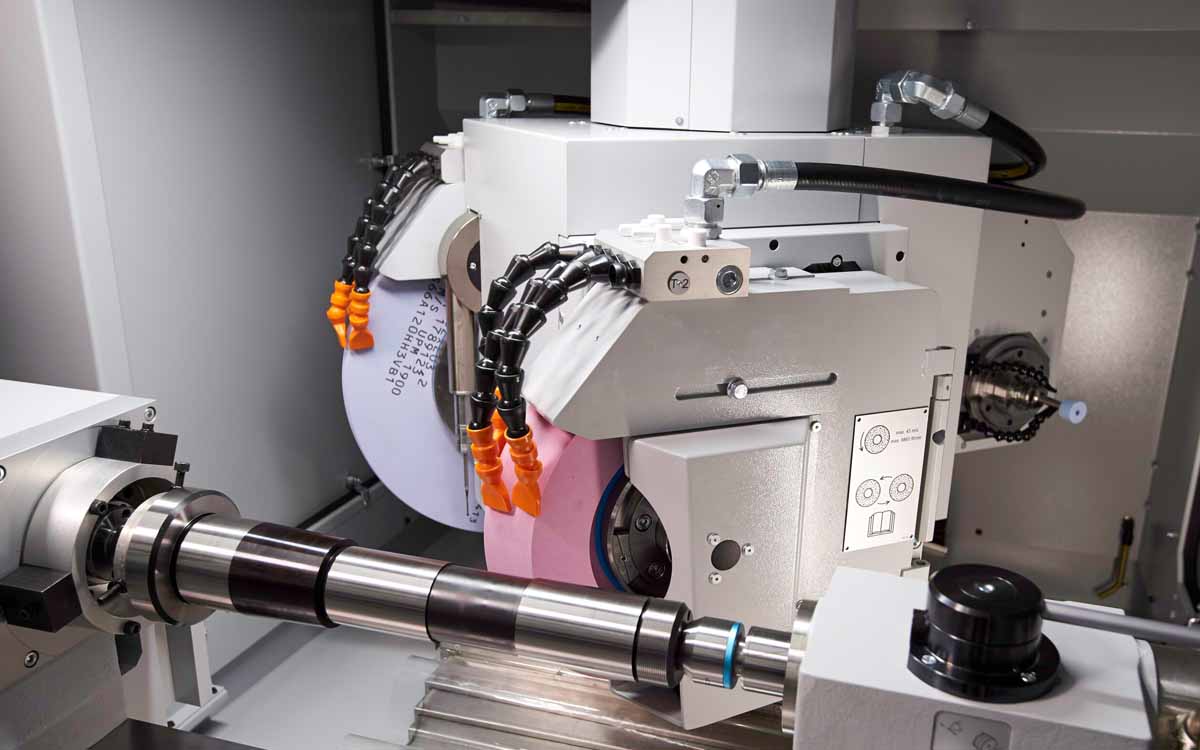
Kellenberger ID/OD Grinders: These are critical for achieving superior roundness and cylindricity. They control roundness errors to within 0.5μm and cylindricity errors to within 1μm over a 100mm length.
Okamoto & Fuyu Surface Grinders: Used for grinding the end faces of disc components. The Okamoto grinders achieve a perpendicularity of 0.001mm/100mm, while the Fuyu grinders ensure surface flatness remains within 0.003mm during mass production.
Sodick Slow-Wire EDM Machine
No matter producing our own equipment for PCB drill bits or providing high-precision machining service or focusing on high-precision grinding of spindle parts, a heavy investment in high-end machining equipment is absolutely an initial step
Seibu Slow-Wire EDM Machine
o matter producing our own equipment for PCB drill bits or providing high-precision machining service or focusing on high-precision grinding of spindle parts, a heavy investment in high-end machining equipment is absolutely an initial step
Seibu Medium-Wire EDM Machine
o matter producing our own equipment for PCB drill bits or providing high-precision machining service or focusing on high-precision grinding of spindle parts, a heavy investment in high-end machining equipment is absolutely an initial step
Real-time Monitoring and Compensation
We use real-time monitoring and automatic compensation to counteract factors like thermal expansion and tool wear.
In-process Measurement: On critical machines like the DMG 5-axis, we integrate probing systems. The machine automatically measures key dimensions during the cycle and feeds the data back to the CNC controller to adjust tool offsets, ensuring dimensional stability within ±0.002mm.
Thermal Compensation: For long shafts or large discs, temperature sensors monitor heat buildup in real time. The system automatically adjusts coordinates based on thermal expansion models, limiting heat-induced errors to less than 0.005mm.
Tool Life Management: We strictly manage tool life. For example, when machining hard materials on the Mazak lathes, we set a maximum cutting time or distance. The system triggers an alarm when the limit is reached, preventing dimensional drift and surface defects caused by worn tools.
Quality Inspection and Data Analysis
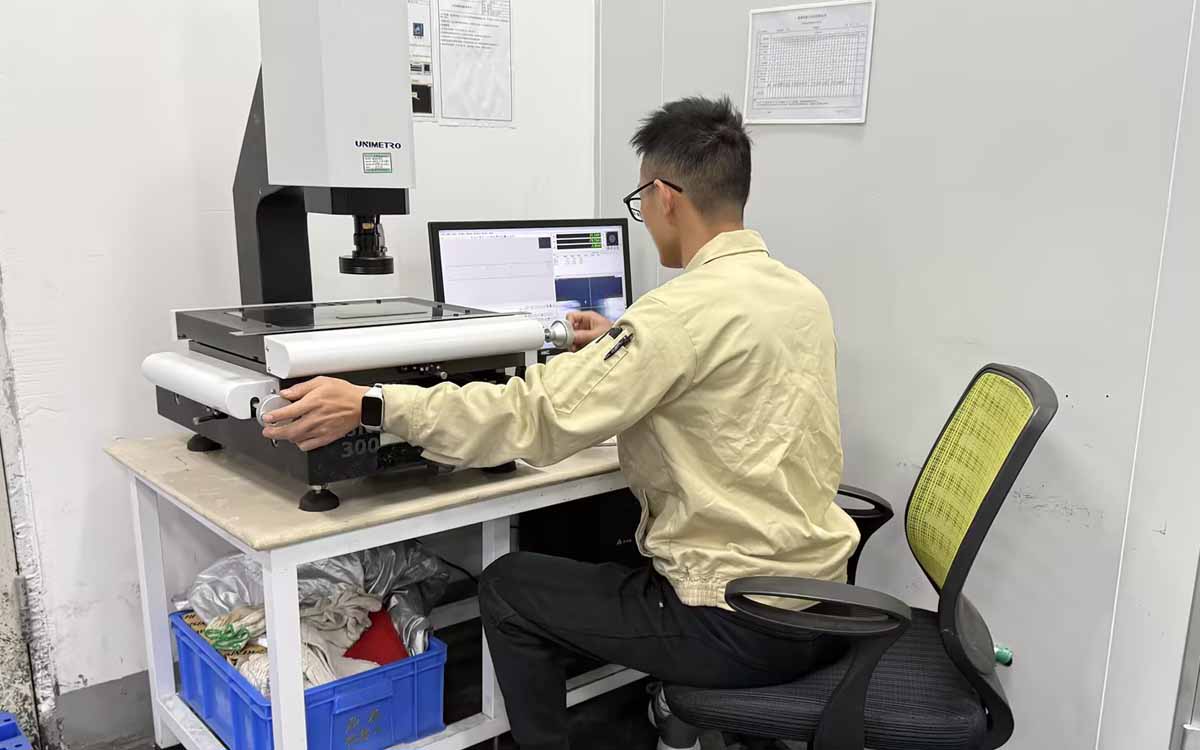
After machining, we conduct rigorous inspections and use data analysis to continuously improve.
CMM Inspection: Every high-precision part undergoes a full dimensional inspection using Coordinate Measuring Machines (CMM). For critical features like hole positions and shaft concentricity, our measurement accuracy reaches 0.5μm, ensuring full compliance with design specifications.
SPC Control: For mass-produced parts, we use Statistical Process Control (SPC). We randomly sample parts daily, measure key dimensions, and plot X-R control charts. By analyzing trends in the data, we can detect and correct process variations early, maintaining a process capability index (Cpk) of 1.33 or higher.
FMEA Analysis: We perform Failure Mode and Effects Analysis (FMEA) on our machining processes. We identify potential risks—such as dimensional errors, surface scratches, or part deformation—and implement preventive actions. For example, to prevent deformation in thin-walled discs, we optimized our clamping fixtures to use multi-point support with minimal clamping force, successfully controlling deformation to within 0.01mm.
By combining precise machine allocation, real-time process monitoring, and rigorous quality analysis, Dingtai Robotics ensures the highest levels of precision and quality stability for your high-precision shaft and disc components.
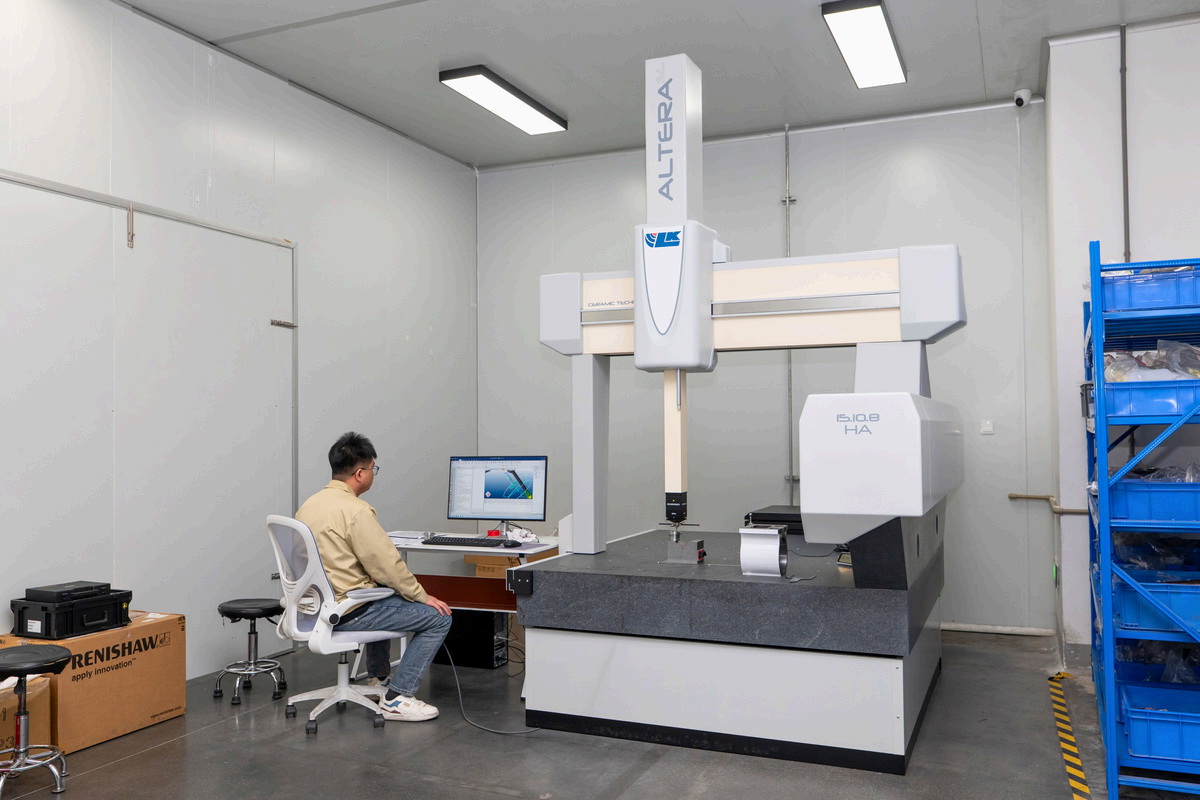
UK LK Coordinate Measuring Machine (CMM)
As an expert of high-precision machining, we must give strong confidence to our clients. Quality control is not an empty word or even a complete quality control system